I realised that STOMP contained a few more postings on snakes, which were not reflected in the result of my search for 'snakes' in the site. The following sightings appeared after I did a search on 'python':
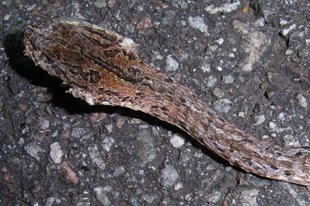
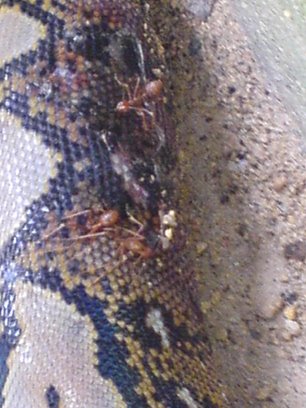
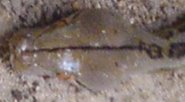
Carcass of huge python spotted
Posted on 03 November 2006
Sighted on 02 November 2007
Species: Reticulated Python (Dead)
In a canal next to the National Kidney Foundation building in Kim Keat
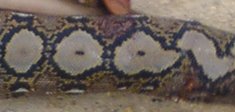
1 metre python found dead in drain
Posted on 30 November 2006
Species: Reticulated Python (Dead)
In a drain along South Buena Vista Road.
Python caught at Potong Pasir
Posted on 12 May 2007
Species: Reticulated Python
In a drain at Potong Pasir Ave 1
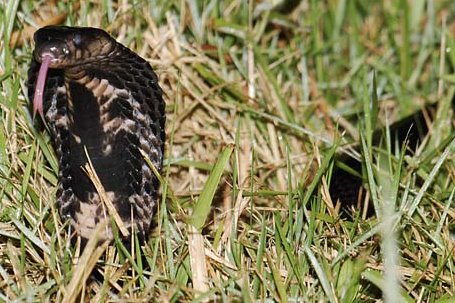
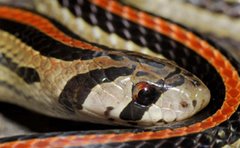
The total tally of python sightings reported in STOMP stands at eight (5 live and 3 dead). The python species that can be found in Singapore is the Reticulated Python (Python reticulatus). Sightings of this snake is common because it feeds on rats and is comfortable living in drains. This species is usually shy and will normally avoid contact with man, although large specimens of over three metres in length are potentially dangerous to us (Lim & Lim, 1992). More on this snake here and here.
REFERENCE
Lim, K. K. P. & Lim, F. L. K., 1992. A Guide To The Amphibians & Reptiles Of Singapore. Singapore Science Centre, p. 47-48.
Carcass of huge python spotted
Posted on 03 November 2006
Sighted on 02 November 2007
Species: Reticulated Python (Dead)
In a canal next to the National Kidney Foundation building in Kim Keat
1 metre python found dead in drain
Posted on 30 November 2006
Species: Reticulated Python (Dead)
In a drain along South Buena Vista Road.
Python caught at Potong Pasir
Posted on 12 May 2007
Species: Reticulated Python
In a drain at Potong Pasir Ave 1
The total tally of python sightings reported in STOMP stands at eight (5 live and 3 dead). The python species that can be found in Singapore is the Reticulated Python (Python reticulatus). Sightings of this snake is common because it feeds on rats and is comfortable living in drains. This species is usually shy and will normally avoid contact with man, although large specimens of over three metres in length are potentially dangerous to us (Lim & Lim, 1992). More on this snake here and here.
REFERENCE